Unleash Your Online Potential: Professional Organic SEO Services for Enduring Growth
Throughout the digital sphere, businesses continuously acknowledge the significance of organic SEO services. These techniques foster long-term development by improving online visibility and attracting targeted traffic without the reliance on paid ads. By concentrating on strategies like keyword research and high-quality content, brands can create authority and trust. linked article However, the nuances of effective organic SEO surpass mere visibility. Mastering these elements could be the key to unlocking untapped potential.
Organic SEO: What Does It Mean?
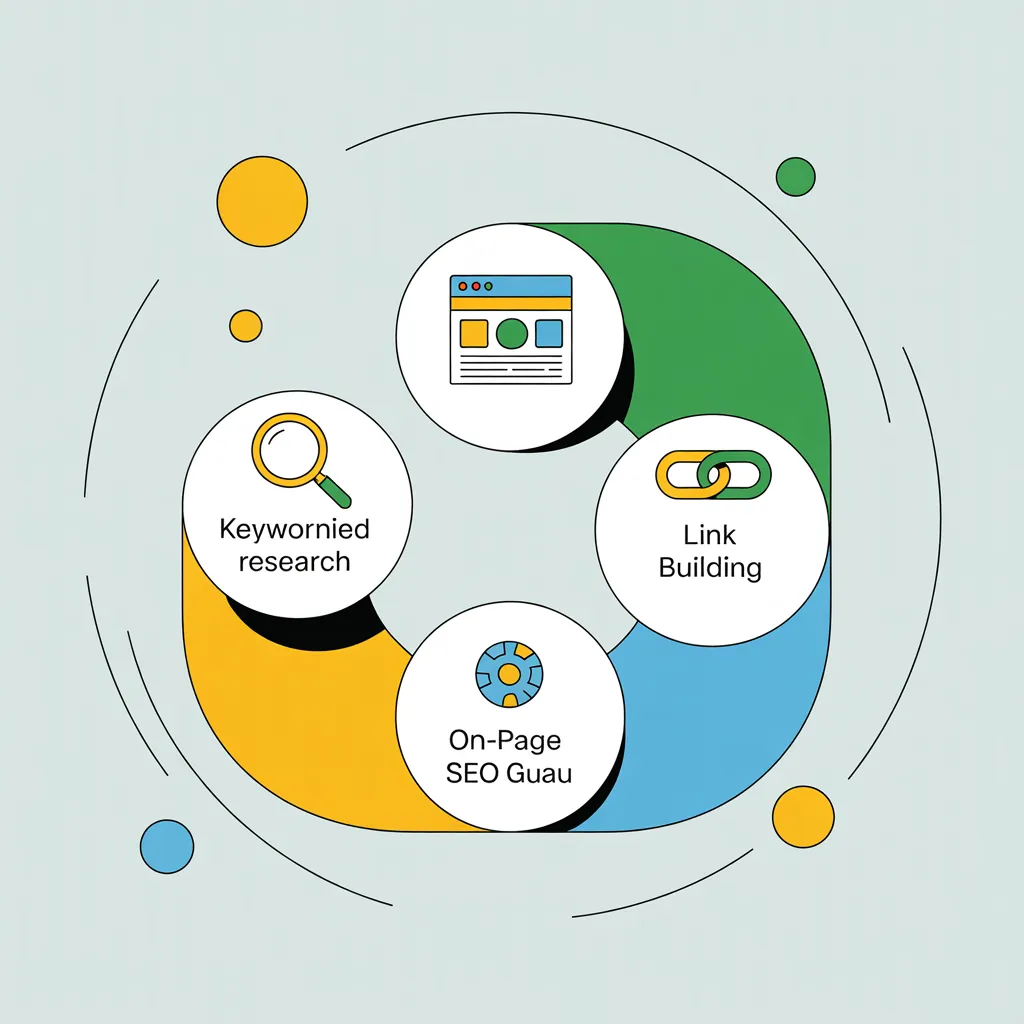
Organic SEO refers to the practice of optimizing a website to improve its visibility in search engine results without using paid advertising. This strategy encompasses various techniques intended to enhancing a site's relevance and authority. Key components include keyword research, on-page optimization, and backlink building.
Keyword analysis requires discovering search terms possible buyers use to search for offerings. On-page optimization focuses on enhancing elements within the website, including content quality, meta tags, and site structure, to guarantee search engines can readily crawl and index the site. Link building entails obtaining links from credible sources to build trust and expertise.
How Does Organic SEO Drive Your Business Growth?
Harnessing the power of organic SEO is essential for businesses aiming to thrive in a demanding digital landscape. By refining website content and structure for search engines, companies can improve their visibility and attract qualified traffic. This enhanced visibility leads to higher organic search rankings, which are essential for producing leads and conversions.
Moreover, organic SEO promotes lasting growth. Unlike paid advertising, which fails to deliver results once funding terminates, organic strategies establish a sustainable online presence. They improve brand credibility and trust, as users often perceive top-ranking sites as more reliable.
In addition, organic SEO aligns with evolving consumer behavior. As users continually depend on search engines for information, businesses must adapt to stay relevant. By focusing on organic SEO, companies can both reach a larger audience but also establish meaningful connections with potential customers, ultimately fueling sustained business growth.
Top Strategies for Growing Website Authority
Developing website authority requires a strategic approach that includes various essential tactics. First, securing high-quality backlinks from reputable sites is critical, as these endorsements convey credibility to search engines. Participating in guest blogging on relevant platforms can facilitate these connections while improving visibility.
Secondly, improving on-page SEO factors, including title tags and meta descriptions, contributes to enhanced search rankings. Third, steady release of valuable and relevant content helps establishing credibility in a specific niche, fostering trust among users and search engines alike.
Moreover, utilizing social media platforms to share content can boost traffic and improve brand recognition.
Finally, tracking analytics to gauge performance and adjusting strategies accordingly secures consistent growth in authority. By employing these strategies, businesses can successfully build their website authority, resulting in enhanced organic search performance and lasting online presence.
How Does Content Quality Drive SEO Success?
Content quality greatly influences SEO success, functioning as a foundation for productive online strategies. High-quality content engages users, fostering longer visits and lower bounce rates, which are beneficial signals to search engines. When content is well-researched, informative, and applicable, it naturally embeds keywords that align with user intent, enhancing visibility in search results.
Furthermore, original and valuable content is more likely to attract backlinks from authoritative sites, thereby improving domain authority. Maintaining consistency in content quality develops trust and credibility, which are critical to building a loyal audience. Also, quality content often drives social sharing, thus amplifying reach and engagement.
How Does User Experience Impact SEO?
User experience (UX) plays a pivotal role in forming SEO performance, as it directly influences how website visitors interact with a web platform. A seamless UX fosters user satisfaction, boosting the potential of longer site visits and lower bounce rates. Search engines, primarily Google, prioritize sites that deliver valuable experiences, affecting their ranking algorithms.
Components including page load speed, mobile responsiveness, and intuitive navigation are critical to boosting UX. Websites that are easy to navigate prompt users to browse more content, which indicates quality to search engines. Additionally, user engagement metrics, like time on page and interaction rates, are considered indicators of relevance and authority.
Applying UX design best practices not only helps visitors but also boosts organic search visibility. As a result, a properly optimized user experience works alongside SEO strategies, creating a mutually beneficial situation for both users and website owners in the digital landscape.

FAQ
How Long Does It Take to See SEO Results?
Normally, it takes three to six months to see noticeable SEO results. Nevertheless, this timeframe can change based on competition, website age, and the effectiveness of applied strategies, requiring patience and continuous optimization efforts.
What Are the Costs Associated With Organic SEO Services?
The costs associated with organic SEO services can vary substantially, typically ranging from a few hundred to several thousand dollars per month, depending on the expert's knowledge, the scope of offerings, and specific client needs.
Can I Do SEO Myself, or Should I Hire an Expert?
Individuals can perform SEO on their own with adequate research and tools, but hiring an expert often produces better results owing to their experience and understanding. Ultimately, the decision depends on an individual's skills, time, and goals.
How Regularly Should I Update My Website Content for SEO?
Updating website content every 3-6 months is usually suggested for best SEO performance. Regular updates maintain site freshness, enhance user engagement, and signal to search engines that the content is current and relevant.
Which Tools Work Best for Monitoring SEO Performance?
Popular tools for analyzing SEO performance include Google Analytics, SEMrush, Ahrefs, and Moz. These platforms provide insights into keyword rankings, backlinks, and website traffic, assisting users examine and optimize their SEO strategies successfully.